Navigate the Economic Seas with Confidence
reaching younger clients
3 Critical Mistakes Keeping Financial Professionals from Being Seen, Heard, and Hired by Next Gen
PLUS… 7 Tips for Getting Noticed in a Good Way
Attracting younger clients isn’t complicated, but it is different. Their expectations, communication preferences, and decision-making styles rarely mirror those of Baby Boomer clients—and treating them the same can cost you next-generation relationships.
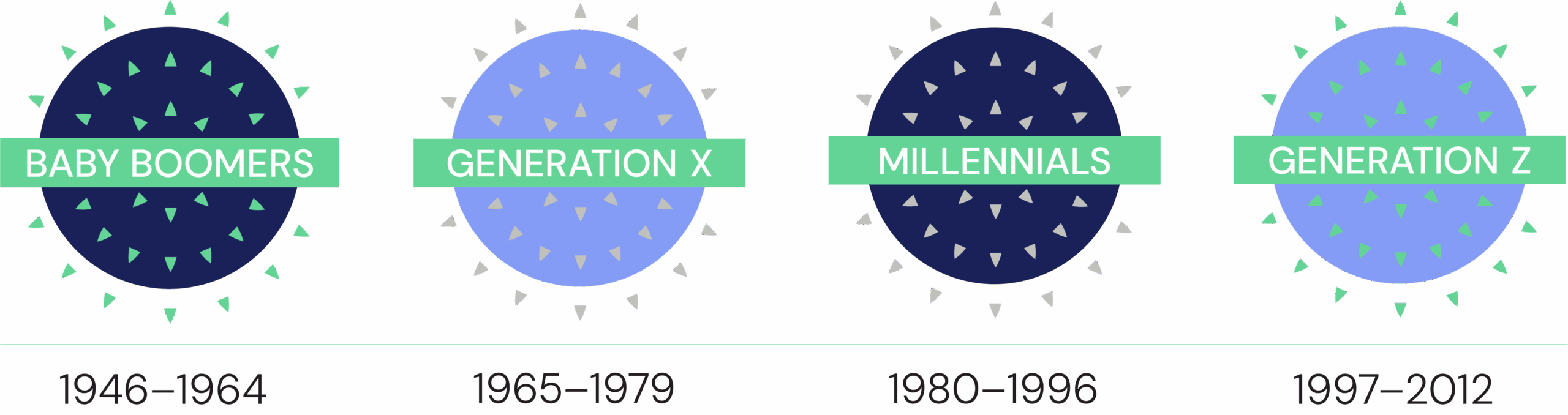
When it comes to earning the business of Gen X, Millennials, and Gen Z, there are really two main things that determine whether you get seen, heard, and ultimately paid:
Relevance: Showing you understand their goals, challenges, and stage of life
Resonance: Communicating in ways that feel modern, authentic, and trustworthy
This brief guide breaks down the three most common mistakes financial professionals make when engaging younger generations—and the seven simple shifts that can help you stand out in a good way.
JUMP TO:

Mistake 1
Waiting to Engage
As wealth transfers to younger generations, a costly mistake is assuming the relationship will automatically transfer as well — and treating client heirs the same way you treated their Baby Boomer parents. Including Next Gen (Gen X, Millennials, Gen Z) decision-makers early on helps align the family around your existing clients’ intentions and protects the profitability of your practice.
Analysis shows that households in which the next generation is engaged generate 160% of the revenues and 270% of the profits of households without family engagement.1
Initiating wealth-transfer conversations early — estate planning, beneficiary designations, and high-level tax implications and more — framed around the family’s unique circumstances and goals shows you’re prepared to guide them through transition. It also helps prevent avoidable pitfalls when giving and receiving an inheritance.
Equally important is tailoring conversations, so spouses, partners, and adult children feel informed, heard, and empowered — not alienated.
- Don’t assume relationships will transfer with wealth:
Up to 81% of high-net-worth individuals plan to leave their financial professional within one to two years after wealth transfers.2 Start building relationships now.
- Preempt issues:
- Meet each generation where they are:

Mistake 2
Approaching All Generations the Same Way
Younger family members stepping into financial decision-making value transparency, speed, and a collaborative partnership. They expect concise, on-demand education (not long lectures), just-in-time access to you, and advice framed around life goals.
If your approach doesn’t reflect those preferences, they’ll disengage quietly—and choose someone who does.
Shift your approach by learning their values, preferences, and motivations. Simplify explanations, offer short video or written recaps, and provide clear action steps you’ll execute together. Make it easy to interact on their terms with options like virtual meetings, text, or portal messaging.
Focus on progress through collaboration: show how each decision supports what matters to them—career mobility, experiences, family, impact—while keeping options open as life changes. When Next Gen feels understood, respected, and treated as a partner, they’re far more likely to engage, follow through, and stay with the firm as their wealth grows.

Adapt the medium
Default to digital-first with self-serve scheduling, virtual meetings, secure messaging/portals, and brief video or voice-note recaps
Speak their language
Replace jargon with transparency and acknowledge their unique situation
Align to motivations
Frame advice around values (flexibility, lifestyle, family, impact), show progress, and work together to help them stay accountable to their goals

Mistake 3
Publishing Content That Doesn’t Connect — or convert
Many financial professionals conclude that “content marketing doesn’t work.” But the real issue is often a message-market mismatch.
Generic content aimed at “everyone” won’t resonate with Millennials, Gen Z, or younger Gen Xers.
Next Gen wants personalization — content that shows you ‘get’ their world. Skip the long lectures and self-promotion. Keep it short, relevant, and focused on what’s in it for them.
Otherwise, they’ll scroll right past — and never schedule that meeting.
When you talk to everyone, you connect with no one. The result is content that sounds fails to inspire action.
Keep the focus on their pains and desired outcomes—cash-flow confidence, student-loan trade-offs, equity-comp decisions, work-life balance—and use plain language with quick, at-a-glance takeaways that fit how Next Gen learns.
Also keep in mind that each post or email should advance the conversation—acting as a gateway to the next step, whether that’s joining your list, downloading a guide, or booking a call.
Get Specific
Define the exact Next Gen niche you serve and address their real challenges, e.g., Managing Restricted Stock Units (RSUs), first home, daycare, retirement tradeoffs.
Advance the Conversation
Every piece should have one clear next step—subscribe, download, or schedule.
Ditch the Lecture
Use plain-English, concise explanations, and visuals with a focus on outcomes they care about.
7 Tips for Getting Noticed in a Good Way
Tip #1: Start Family Discussions Sooner Rather Than Later
To avoid losing assets under management as wealth transfers, start having conversations now. These family meetings help you establish relationships with inheritors, clarify the value of a financial professional, and outline your clients’ wishes.
- Prep your clients for 10–15 minutes to agree on purpose, boundaries, and who attends.
- Run a 45-minute, jargon-free session that covers multigeneration priorities plus the essentials—who does what, where documents live, and your contact details.
Learn more about the family by making these huddles collaborative. Ask open-ended questions such as “How do you feel about giving as a family?”, dig deeper with “Can you tell me more about college or parent-care concerns?”, and drive engagement with “What questions do you have about what I shared?”
Actively paraphrase to show you heard them, invite quieter voices to add to the conversation, and tailor your communication style to generation and gender. For example, many women tend to prefer partnership and shared decisions; younger heirs want transparency, options, and clear next steps.
Keep product and performance talk out of this first meeting.
Prioritize Gen X heirs—they’re often in the Sandwich Generation and are the most immediate opportunity.
- Offer evening/Zoom options.
- Send a one-page recap within 24 hours.
- Schedule a quick 1:1 welcome call to capture goals, preferred channels of communication, and near-term needs (caregiving, college, benefits, mortgage).
- Within a week, debrief with your clients and agree on a regular cadence for future meetings.
Tip #2: Niche Beyond “Next Gen”
If your marketing isn’t getting results, it’s often because your audience is still too broad. Without a clear niche, it’s difficult to create content or conversations that feel personal enough to make someone think: this applies to me.
When you narrow your focus, you can build deeper relationships with clients who share similar needs and circumstances. You start recognizing patterns in what they care about, the challenges they face, and how they make decisions — dialing in your communication and making content creation more efficient.
The more you specialize, the easier it becomes to anticipate needs, add value, and run a more profitable practice.
Research shows niche firms maintain a 58 percent average client growth rate compared to 26 percent for non-niche advisor firms.3
- To find your niche, start with where you already have experience, interest, or connections. Then confirm there’s enough demand and reach — look at professional groups, LinkedIn, or employer networks — and make sure the clients in that space have both planning needs and financial viability.
Beware of making assumptions about Next Gen, such as “they don’t have enough money to pay me.” Often, it’s not a question of what it “costs” to work with a financial professional but the value they see in working with you.
Once you’ve defined your target audience, align your message, content, and digital outreach to speak directly to them.
Tip #3: Learn and Apply Generational Insights
Each generation engages with financial advice differently — shaped by their values, experiences, and the parenting style of the generation who raised them.
When you understand generational perspectives, you can meet clients where they are instead of expecting them to adapt to you.
Research shows that people born in a specific generation tend to have commonalities: their risk profile, comfort level with technology, and expectations for working with a financial professional, as just a few examples, are shaped by the economy they grew up in, the technology they grew up with, and the institutions they learned to trust (or not).
Financial professionals who understand these patterns can interpret client behavior more accurately and avoid misreading silence, skepticism, or autonomy as disinterest.
Applying generational insight isn’t about stereotyping — it’s about context. A Gen X client’s caution may come from witnessing the dot-com crash; a Millennial’s emphasis on purpose may stem from discrimination they’ve seen or experienced, and Gen Z prospect’s preference for an immediate response may reflect growing up in an on-demand world.
Before you refine your content, platforms, or digital strategy, start here: strengthen your ability to see client decisions through a generational lens. It’s the foundation for creating experiences and messaging that actually connects — and for earning lasting trust with the next generation of clients.
Approaching All Generations the Same Way
Ask directly
Use short, anonymous surveys to learn what your Next Gen clients value most in communication, education, and service. Review their responses with them to co-create a personalized experience that feels collaborative, not prescriptive.
Observe trends
Follow reputable sources for studies on generational wealth, behavior, and financial confidence. Then take it a step further by observing trends within your specific client base as each individual will have their own unique set of beliefs, challenges, and preferences as well.
Learn from experts
Watch our on-demand webinar, The Gen-Savvy Financial Professional with Cam Marston, to deepen your understanding of generational differences and how to apply that knowledge in client conversations.
Tip #4: Build a Digital-First Client Experience
For younger generations, your digital presence is your first impression. A digital-first approach isn’t just about offering virtual meetings—it’s about creating experiences that are intuitive, interactive, and educational by design.
Next Gen clients expect digital engagement that feels natural and personal. They’re used to learning as they scroll, click, and explore—so meet them where they are. Use short videos, infographics, and interactive tools to turn curiosity into discovery.
- For example, show how volatility works when someone selects a fund. Let them see the power of compounding as they adjust contribution rates. This hands-on learning helps concepts stick and builds real confidence in financial decision-making.
Tone and timing matter. Digital nudges—like a reminder to check progress, a prompt to explore a “what-if” scenario, or a suggestion to watch a short explainer video—should feel like helpful guidance, not lectures. Keep the power in the user’s hands by letting them opt in, explore further, or take action when they’re ready.
Bring that same intentionality to every digital touchpoint. Offer secure messaging and virtual meetings. Use dashboards and goal-tracking tools that visualize progress and simplify contribution changes.
Tools that simulate outcomes or analyze spending patterns don’t just inform—they empower. They show clients you’re invested in helping them make confident, informed decisions.
Even the best technology fails if the experience feels clunky or impersonal. Invest time in understanding how to create a positive user experience, utilize inclusive design, and stick to plain-language communication. When your digital experience feels effortless, human, and relevant, clients see you as a financial professional who “gets them” — one who’s easy to find, trust, and choose.For younger generations, your digital presence is your first impression. A digital-first approach isn’t just about offering virtual meetings—it’s about creating experiences that are intuitive, interactive, and educational by design.
Next Gen clients expect digital engagement that feels natural and personal. They’re used to learning as they scroll, click, and explore—so meet them where they are. Use short videos, infographics, and interactive tools to turn curiosity into discovery.
Tip #5: Share Content that Connects with Next Gen
Younger generations research first and reach out later. Giving them content they can explore on their own builds familiarity and trust long before the first meeting. It signals that you’re approachable, informed, and attuned to how they prefer to learn.
Video dominates across generations—especially on platforms like YouTube, Instagram, and TikTok, where financial insights, how-tos, and personal stories drive the most engagement.
A recent FINRA study found that over 60% of adults under 35 seek investment information on social media, and nearly one in four Gen Z investors say they wouldn’t consider a financial professional who lacks a presence there.4
This isn’t about chasing trends—it’s about showing up where credibility is built.
Next Gen clients want to feel empowered, not sold to. Create short, actionable learning moments that help them take small steps forward—like a 60-second explainer on inflation, a “try this” budgeting challenge, or a visual that shows how delaying withdrawals impacts income. Bite-sized, engaging lessons that can be consumed quickly—and applied immediately—build confidence and trust more effectively than long presentations or product overviews.
- Bonus points if you can make it “edutainment."
Blending education with entertainment keeps your audience learning and engaged. Humor doesn’t just make content more enjoyable—it makes it more memorable. Studies show people retain more information when it’s delivered with humor because it activates the brain’s reward system.5
- Focus on value, not production.
One meaningful video or insight per week—paired with genuine interaction in the comments or discussion threads—can position you as both educator and partner. Podcasts, mini-guides, and quick clips that answer common questions make it easy for prospects to learn from you on their own terms.
Tip #6: Optimize for Next Gen Search Terms
The way people search for financial guidance has evolved—and so must your approach.
Discovery now happens everywhere: Google, YouTube, social feeds, podcasts, and increasingly, AI tools that summarize results in seconds. These changes have made visibility less about keywords and more about relevance, clarity, and credibility.
To reach the next generation of clients, start by understanding what they’re searching for and how.
Gen X wants guidance on retirement readiness, college costs, and caring for aging parents.
Millennials look for ways to balance debt, build savings, and invest for flexibility and purpose.
Gen Z is exploring side hustles, digital assets, and financial independence early in life.
When your content speaks directly to these motivations—using their language, not industry jargon—it naturally aligns with what search engines, AI, and social algorithms prioritize.
Get Recommended by AI
- Write for context, not clicks.
- Structure content for comprehension.
- Create what algorithms can’t.
- Broaden your digital footprint.
- Ask your clients directly.
Today’s search landscape rewards usefulness over optimization. When your content reflects how the next generation learns and looks for answers—clear, accessible, and genuinely helpful—you won’t just show up in search results; you’ll stand out.
And once you understand how they find you, it’s time to show up where they already spend their time
Tip #7: Be Present on Next Gen’s Preferred Platforms
If the last decade was about building a website, this decade is about showing up where your clients already spend their time.
Today’s investors aren’t just searching for advice — they’re consuming it through videos, podcasts, and social media feeds. They follow voices they trust, compare perspectives, and often make financial decisions before ever contacting a financial professional.
Each generation has its preferred platforms — and each platform rewards a different kind of content:
Gen X: Still active on Facebook and increasingly on LinkedIn and YouTube. Use Facebook to show personality and community involvement; LinkedIn to share professional insights and timely updates; YouTube for deeper educational explainers.
Millennials: Spend the most time on Instagram and YouTube. Use Instagram for authentic storytelling — short videos, real-life examples, and visuals that humanize your brand. Use YouTube for “how-to” content that positions you as a trusted educator.
Gen Z: Lives for TikTok, YouTube Shorts, and podcasts. They want quick, relatable, and educational clips that simplify complex financial topics without talking down to them.
Across every generation, video dominates. A recent FINRA study found that over 60% of adults under 35 seek investment information on social media, and nearly 80% of Gen Z and Millennials have accessed financial advice there. Nearly one in four Gen Z adults say they wouldn’t even consider a financial professional who lacks a social presence.4
This isn’t about chasing trends—it’s about increasing visibility and trust. Social platforms let you connect at scale, stay top-of-mind, and show that you understand how younger clients prefer to engage.
- Start with small, consistent actions.
- Post one high-quality video or insight per week on LinkedIn or YouTube
- Join conversations in comments—listen as much as you post
- Share stories, quick takeaways, or personal lessons learned
You don’t need high production value or daily posts—just consistent authentic content that adds value. When you show up where the next generation already spends time and communicate in ways they prefer, you position yourself not just as a trusted guide, but as someone they look forward to hearing from.
Consumer expectations are changing—are you doing what it takes to be seen, heard, and paid by Next Gen?

Find Success Serving Millennials
READ TIME: 4 min
Real-world stories of financial professionals thriving with Millennial clients—reshaping the future of financial advice.

Engaging The Next Generation
READ TIME: 4 min
The evolving role of financial professionals amid the Great Wealth Transfer.

Sharpen Your Competitive Edge
READ TIME: 10 min
The future of advice is human—strengthen the skills that help you win with Next Gen.
1 It’s time to change your mind about young investors eBook
2 https://www.capgemini.com/wp-content/uploads/2025/06/WWR_2025.pdf
3 Niches Improve Advisor Marketing Satisfaction And Efficiency
Financial professionals should consult with their firm’s compliance department for guidance on the appropriate use of social media and digital marketing channels.
NXT-004 10-25
